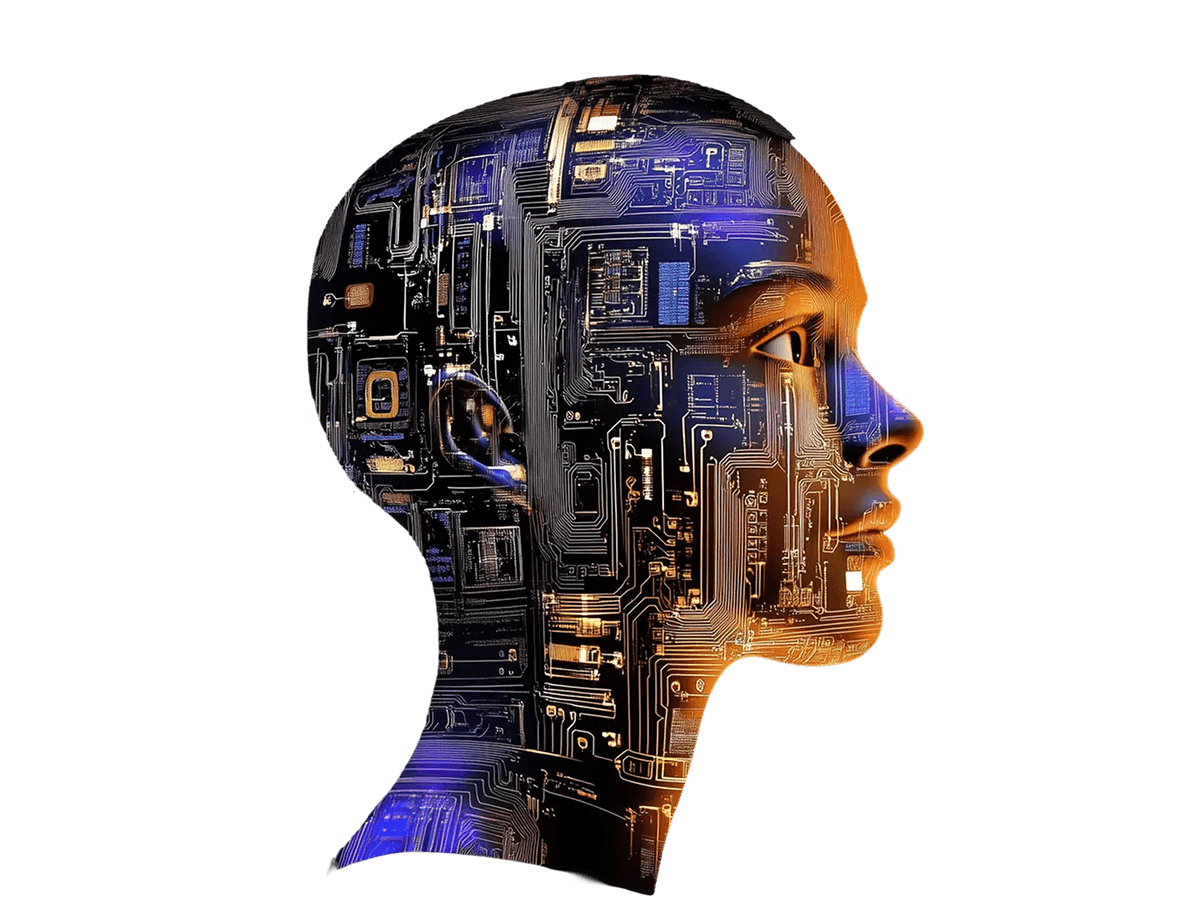
The world of UX/UI design is evolving faster than ever. What used to be focused on static screens and simple interfaces has now shifted toward intelligent systems, adaptive experiences, and AI-powered interactions.
In 2025, designers are no longer just creating interfaces — they are designing systems that think, adapt, and respond to user behavior.
Let's explore the five most important trends shaping the future of UX/UI design.
1. AI is Redefining UX Design
Artificial intelligence is no longer just a tool — it has become a core part of the user experience itself.
Modern UX design is moving toward AI-driven interactions, where systems can:
✅ Understand user intent
✅ Predict next actions
✅ Generate personalized experiences in real time
💡 This shift is transforming designers into experience orchestrators rather than just interface creators.
2. From Screens to Systems
Traditional UX focused on individual screens. Today, the focus is on entire systems and user journeys.
Designers now think in terms of:
AspectDescriptionEnd-to-end flowsDesigning the full journey, not just single pagesMulti-platformConsistent across Web, Mobile, AI agents & APIsUnified behaviorSame logic and patterns across all touchpoints
💡 System-based thinking improves scalability and user consistency across products.
3. The Rise of Adaptive & Dynamic Interfaces
Static UI is becoming outdated. Modern interfaces are:
Context-aware — They react to the user's environment
Behavior-driven — They learn from interaction patterns
Continuously adaptive — They evolve with user needs over time
Instead of one fixed layout, users now experience dynamic UI that changes based on context, behavior, and personal preferences.
4. Design Systems 2.0
Design systems have evolved far beyond UI component libraries.
Today's modern design systems include:
📦 Design Systems 2.0
├── 🎨 UI Components (buttons, inputs, cards…)
├── ⚙️ Interaction Rules & Behavioral Logic
├── 🔗 Design Tokens Connected to Live Data
└── 🤖 Integration with AI Systems
💡 This makes design systems more like living, intelligent products rather than static Figma libraries.
5. UX Research in the Age of AI
User research is also changing rapidly. AI is now used to:
📊 Analyze user behavior at scale
⚡ Generate insights faster than traditional methods
🔁 Run continuous usability testing automatically
This allows teams to make data-driven design decisions in real time — not just after quarterly research cycles.
Conclusion
UX/UI design in 2025 is no longer about creating beautiful screens. It's about designing intelligent, adaptive systems that evolve with users.
In short: The future of design is not static interfaces — it is intelligent, adaptive experiences powered by AI.
Key Takeaways
#TrendCore Idea1AI in UXAI drives personalization & prediction2System ThinkingDesign beyond screens — think in journeys3Adaptive UIInterfaces that respond to context & behavior4Design Systems 2.0Living systems with logic, tokens & AI5AI-Powered ResearchFaster, continuous, data-driven insights